


By using our website, you agree to the use of cookies as described in our Cookie Policy
Stone Veneer
Stone Veneer in Klamath Falls
Stone veneer adds weight, texture, and a natural rock-look finish to a home's exterior without turning the whole house into a masonry project. Linkville Roofing & Siding helps Klamath Falls homeowners use stone veneer for accents, wainscot sections, entry details, columns, and exterior curb appeal upgrades.
The visual part is only half the job. Exterior stone veneer needs careful water management behind and around it, especially where snow, splashback, freeze-thaw cycles, windows, trim, and siding transitions all meet.
Where stone veneer works well
Entry accentsStone around entries can make the front of the home feel more grounded and finished.
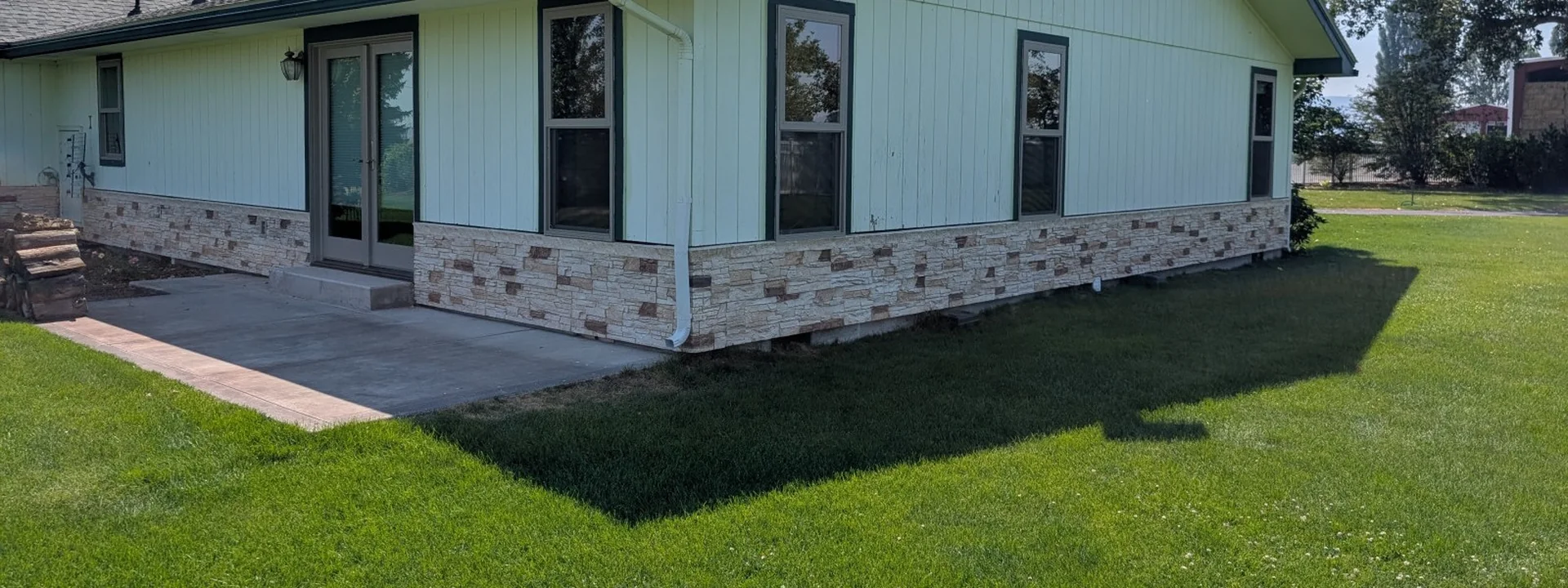
Lower-wall wainscotA stone base can add texture beneath lap siding, vinyl, fiber cement, or wood accents.
Columns and porch detailsStone veneer can give porch posts, columns, and transitions a more substantial look.
Siding combinationsStone can pair with fiber cement, vinyl, cedar, or trim details.
The real stone veneer question: where does water go?
Stone veneer is not just decorative siding glued to a wall. Rain, snow, meltwater, and wind-driven moisture can get behind exterior cladding. The wall needs a path that sheds and drains water out instead of trapping it behind the stone.
Drainage planeThe layers behind the veneer should work together to move water down and out.
FlashingWindows, doors, caps, roof lines, and trim changes need clean water-shedding transitions.
ClearancesStone veneer should not be treated like it can sit anywhere against soil, flatwork, snow, or wet surfaces.
Design choices that matter
- Stone color and profile
- Accent height and stopping points
- Trim and cap details
- Transitions into siding materials
- How much visual weight the home needs
Field details that matter more
- Substrate condition
- Water-resistive barrier integration
- Drainage and weep details
- Kickout and roof-to-wall transitions
- Windows, doors, penetrations, and caps
Stone veneer in Klamath Falls weather
Klamath Falls homes deal with winter moisture, snow at lower walls, sunny dry seasons, wind, and freeze-thaw stress. With stone veneer, the risk is not just cold weather. The risk is water getting trapped where it cannot dry or drain.
Snow and splashbackLower stone sections need planning around grade, walkways, patios, and areas where snow may sit.
Freeze-thaw cyclesWater behind or within exterior materials can create stress when temperatures move above and below freezing.
Sun and exposureColor, wall orientation, and adjacent siding choices all affect the final exterior look.
Our stone veneer process
01Review the wall
We look at the wall condition, siding transitions, trim, openings, grade, roof lines, and the planned stone location.
02Plan the drainage
The wall system needs water-resistive layers, flashing, clearances, and drainage details that fit the project.
03Set the visual layout
Stone height, caps, returns, corners, and transitions should look intentional before the work starts.
04Finish the transitions
The cleanest stone veneer jobs are judged at edges, caps, corners, windows, doors, and siding tie-ins.
Stone veneer repair and replacement
Loose, cracked, stained, or separating veneer can be a cosmetic issue, but it can also point to water movement behind the surface. Repair should start with the cause, not just the visible stone.
Surface damageCracked or damaged pieces may be isolated if the surrounding wall is sound.
Moisture cluesStaining, repeated cracking, bulging, or separation may call for a deeper look.
Transition repairsTrim, caps, flashing, and siding tie-ins are common places for small problems to start.
Stone veneer FAQ
Is stone veneer good for Klamath Falls homes?
Stone veneer can be a good exterior accent in Klamath Falls when it is planned with proper drainage, flashing, clearances, and transitions into the surrounding siding.
Where should stone veneer be used on a home?
Common uses include entry accents, lower-wall wainscot sections, porch columns, chimney or gable details, and areas where the home needs more texture and visual weight.
Does stone veneer need drainage behind it?
Exterior stone veneer should be treated as part of a wall system that manages water. Water-resistive layers, flashing, weep details, and clearances help keep moisture from getting trapped.
Can damaged stone veneer be repaired?
Some damaged stone veneer can be repaired if the issue is localized. If the damage is caused by trapped water, poor flashing, or wall movement, the source should be corrected too.
Can stone veneer be combined with other siding?
Yes. Stone veneer is often used with fiber cement, vinyl, cedar, wood siding, or trim details. The important parts are proportion, transitions, flashing, and a clean water-shedding design.
Thinking about stone veneer accents?
Talk with Linkville Roofing & Siding about stone veneer repair, accents, and exterior siding combinations for your Klamath Falls home.